Turkey has always attracted travelers with its history, landscapes and food, but in recent years it has also become one of the most rewarding luxury travel destinations in the Mediterranean region. The country offers a rare combination: grand historical cities, private coastal escapes, elegant boutique hotels, dramatic cave suites, fine dining, traditional wellness culture, world-class marinas and warm personal service. For travelers who want comfort without losing a sense of place, Turkey is especially powerful because luxury here is not only about polished rooms and expensive views. It is about access, atmosphere and memorable moments.
A luxury trip to Turkey can begin with a private airport welcome in Istanbul, continue with a terrace breakfast overlooking the Bosphorus, move into a private guided visit through imperial palaces, and end the day with a sunset yacht cruise between Europe and Asia. A few days later the same traveler can wake inside a stone cave suite in Cappadocia, watch balloons float over volcanic valleys, enjoy a private wine tasting, and dine under a sky full of stars. By the end of the journey, the route can reach Bodrum, Gocek or Fethiye, where gulets and yachts move slowly through turquoise bays and pine-covered hills fall into the sea.
This guide is designed for travelers who want to understand how to plan a refined Turkey itinerary. It covers the best luxury destinations, the strongest travel styles, where to stay, what to include, how long to spend in each region, and how to combine private experiences without making the journey feel too busy. Luxury travel should never feel like a checklist. The goal is not to add every premium service possible, but to design a route where comfort, timing and authenticity work together.
Turkey is also valuable for luxury travelers because it can match many different profiles. Couples can plan a romantic honeymoon across Istanbul, Cappadocia and the Aegean coast. Families can combine spacious resorts with private guides and flexible transfers. Culture lovers can turn major historical sites into slow, expert-led experiences. Food lovers can build entire days around regional cuisine, private tastings and chef-led meals. Wellness travelers can focus on hammams, thermal waters, spas and peaceful coastal stays. A well-planned Turkey trip can feel deeply personal rather than generic.
If you are building your route with Azrato or planning inside Travmetto, use this article as a foundation. The best luxury itinerary is the one that matches your pace. Some travelers want full VIP handling from arrival to departure. Others want elegant hotels, private transfers and only a few carefully chosen premium experiences. Both approaches can work beautifully in Turkey when the route is planned correctly.
Why Turkey is becoming a global luxury travel destination
Turkey's luxury appeal comes from contrast. In one country, travelers can experience imperial architecture, Mediterranean beaches, mountain scenery, ancient ruins, modern design hotels, traditional craftsmanship and contemporary restaurants. Many destinations offer luxury, but fewer offer this much variety within one connected itinerary. Istanbul alone can fill several days with palaces, mosques, private museums, designer shopping, rooftop restaurants, art galleries and Bosphorus views. Cappadocia adds landscapes that feel almost otherworldly. The Turkish Riviera brings marinas, beach clubs, sailing routes and resort life. The Aegean coast adds villages, vineyards, olive groves and archaeological sites.
Another advantage is the strength of private travel services. Private airport transfers, licensed guides, yacht charters, driver-led routes, culinary experiences and boutique accommodations are widely available in major travel regions. This allows a luxury trip to be flexible rather than rigid. Instead of joining large groups or following fixed bus routes, travelers can design days around their interests. A private guide can begin earlier to avoid crowds, adjust the pace for families, focus on architecture or religion, add a local restaurant, or skip a stop when the group wants more time to relax.
Turkey also offers excellent value compared with many other luxury destinations. High-end experiences can still be expensive, especially in peak season and in top coastal areas, but travelers often find that private guiding, transfers, dining and boutique stays provide strong quality for the price. This makes it possible to create a premium trip with more depth: not just one luxury hotel, but a full journey with private logistics, regional variety and curated experiences.
Most importantly, Turkey's luxury is not disconnected from local culture. A private hammam experience is luxurious because it is also traditional. A Bosphorus cruise is elegant because it follows the historic waterway that shaped Istanbul. A cave suite in Cappadocia feels special because it reflects the region's architecture and landscape. A gulet cruise is not simply a boat rental; it is part of the coastal travel culture of southwestern Turkey. The best luxury travel in Turkey feels rooted in the country itself.
Luxury travel in Istanbul
Istanbul is the natural starting point for most luxury trips to Turkey. It is the country's main international gateway and one of the few cities in the world where a luxury itinerary can include Byzantine monuments, Ottoman palaces, modern art, high-end shopping, rooftop dining, private boat experiences and neighborhood discovery in the same day. The city rewards travelers who slow down. Rushing from landmark to landmark misses the atmosphere that makes Istanbul extraordinary.
A refined Istanbul stay usually begins with the right hotel location. The Bosphorus is ideal for travelers who want views, calm mornings and a resort-like feeling inside the city. Sultanahmet is best for immediate access to the historic core, although it is usually quieter at night. Nisantasi is strong for shopping, cafes and an elegant urban feel. Karakoy, Galata and the wider Beyoglu area work well for design hotels, restaurants, galleries and nightlife. The best choice depends on whether the traveler values scenery, history, shopping or evening atmosphere most.
Private guiding makes a major difference in Istanbul because the city's monuments carry many layers of history. Hagia Sophia, the Blue Mosque, Topkapi Palace, the Basilica Cistern, the Grand Bazaar and the Spice Bazaar can be visited independently, but a good guide turns them into a connected story. For luxury travelers, the best approach is often a private half-day or full-day tour with careful pacing. Starting early helps avoid the most crowded hours. Adding a comfortable lunch break and a private transfer between areas keeps the day elegant rather than exhausting.
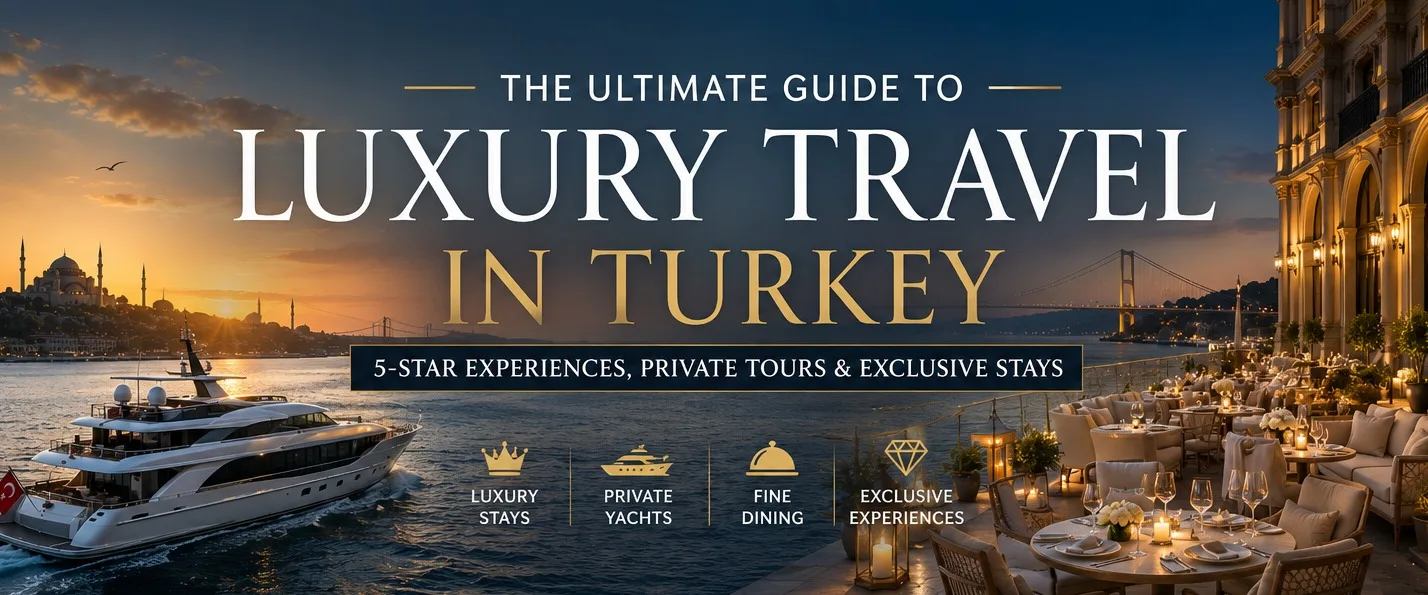
The Bosphorus is the signature luxury experience in Istanbul. A private yacht cruise at sunset can be one of the most memorable parts of a Turkey trip. The route passes waterfront mansions, Ottoman palaces, bridges, mosques, fishing villages and skyline views from both continents. For couples, it can be romantic and quiet. For families or groups, it can be relaxed and social. For photographers, the best light is often late afternoon into sunset. A cruise can also be combined with dinner, a proposal, a birthday celebration or a simple welcome evening after arrival.
Luxury in Istanbul also includes food. The city has refined restaurants, traditional meyhanes, modern Turkish tasting menus, elegant breakfast terraces, private cooking classes and market-led culinary walks. For many travelers, the best food day is not the most formal one. It might include a private visit through Kadikoy Market, tastings of regional cheeses, olives, pastries and sweets, then a ferry crossing back to Europe. It might end with dinner overlooking the Bosphorus or inside a beautifully restored historical building.
Private Bosphorus experiences
The Bosphorus deserves its own place in any luxury Turkey guide because it is more than a scenic waterway. It is the emotional center of Istanbul. Palaces, mansions, fortresses, mosques and neighborhoods face the water, and the city feels completely different when seen from a private boat. Travelers who only experience Istanbul by road miss one of its most graceful perspectives.
A standard Bosphorus cruise can be enjoyable, but a private yacht changes the rhythm. There is no need to stand in line, follow a fixed group, or compete for space. The route can be adjusted according to weather, timing and preference. Some travelers prefer a two-hour sunset cruise. Others want a longer afternoon with snacks, drinks and swimming possibilities in season. Some use the yacht as a special dinner setting. The most important point is to match the cruise style with the traveler. A quiet couple's cruise should feel different from a family celebration or corporate incentive trip.
For a premium experience, timing matters. Sunset is popular for good reason, but morning can also be beautiful, especially for travelers who want calmer water and softer city movement. Evening cruises create a romantic atmosphere as waterfront buildings light up. In summer, demand is high, so advance planning is important. In cooler months, covered and heated yacht options may be more comfortable.
A private Bosphorus experience can also be used strategically in an itinerary. It works well on the first evening because it gives travelers a sense of Istanbul without requiring heavy walking after a flight. It also works well on the final night as a farewell moment. When combined with airport transfers and hotel location, it can make the trip feel seamless from the beginning.
Istanbul is a strong luxury shopping destination because it offers both international brands and local craftsmanship. Travelers looking for designer fashion often focus on areas such as Nisantasi and premium malls, while those interested in Turkish design can explore boutiques, jewelry, ceramics, textiles, leather goods and contemporary homeware. The best shopping experience is not only about buying. It is about discovering the city's layers of taste.
The Grand Bazaar remains important for luxury travelers, but it should be approached carefully. A private guide or specialist shopping assistant can help visitors understand quality differences in carpets, jewelry, ceramics and antiques-style items. The bazaar is historic, atmospheric and sometimes overwhelming. With the right support, it becomes a cultural experience rather than a stressful negotiation.
Modern Istanbul also has a strong design scene. Boutique ateliers, concept stores, art spaces and independent designers offer items that feel more personal than standard souvenirs. Luxury travelers often appreciate pieces that carry a sense of place: handwoven textiles, contemporary ceramics, Turkish towels, fine jewelry, calligraphy-inspired design or objects made by local artisans.
For travelers who want a polished day, shopping can be combined with lunch in Nisantasi, a gallery visit, a spa appointment or a private car. The key is not to overload the schedule. Istanbul traffic can be heavy, so grouping experiences by neighborhood is part of luxury planning.
Luxury travel in Cappadocia
Cappadocia is one of Turkey's most unique luxury destinations because the landscape itself feels exclusive. Fairy chimneys, valleys, cave dwellings, underground cities and stone villages create a setting that cannot be copied elsewhere. Luxury in Cappadocia is quieter than in Istanbul or Bodrum. It is less about glamour and more about atmosphere, privacy and unforgettable views.
The region is famous for cave hotels, but not all cave hotels are the same. The best properties combine authentic stone architecture with modern comfort, thoughtful lighting, spacious suites, terraces and service. Some rooms are carved into rock, while others are restored stone mansions. Travelers should look carefully at room type, accessibility, terrace views and location. Cave rooms can be romantic and atmospheric, but some may have stairs, uneven paths or limited natural light. A luxury stay should match the traveler's comfort needs.
Hot air ballooning is the headline experience, but it should be planned with flexibility. Flights depend on weather and may be cancelled if conditions are not suitable. For this reason, luxury itineraries should usually include at least two nights in Cappadocia, and often three if the traveler wants a slower pace. Watching balloons from a hotel terrace is also part of the experience. Some travelers book the flight for one morning and reserve another morning simply for photography and breakfast.
Private tours are especially valuable in Cappadocia because the region is spread out. A guide and driver can connect the Goreme Open-Air Museum, Pasabag, Devrent Valley, Uchisar, underground cities, pottery workshops, local wineries and scenic viewpoints without wasting time. A private itinerary can also avoid the busiest stops at peak times and include quieter valleys or village routes.
Luxury experiences in Cappadocia can include private valley picnics, sunset viewpoints, horseback riding, classic car photography, wine tasting, private dinners and guided walks through less crowded areas. The best Cappadocia itinerary balances iconic views with silence. Too many activities can reduce the magic of the place. Travelers should leave space for slow mornings, terrace time and golden-hour scenery.
Bodrum: Turkey's luxury capital on the Aegean
Bodrum is often considered Turkey's most established luxury coastal destination. It combines marinas, beach clubs, boutique hotels, 5-star resorts, private villas, fine dining, nightlife and easy access to the Aegean Sea. The area attracts travelers who want sun and style rather than only sightseeing. It is especially strong for couples, groups of friends, honeymooners and high-end summer escapes.
The Bodrum Peninsula includes many different atmospheres. Bodrum town has nightlife, restaurants, marina energy and historical character. Turkbuku is known for a more exclusive beach-club feeling. Yalikavak is famous for its marina, restaurants and upscale shopping. Gumusluk is quieter and more bohemian, with seafood restaurants and sunset views. Torba, Bitez and other bays offer different resort styles. Choosing the right base matters because Bodrum is not one single experience.
Luxury resort stays in Bodrum are popular because many properties are designed around private beaches, sea-view rooms, villas, spa facilities and restaurants. For travelers who want comfort and minimal movement, a resort can be the main destination. For others, Bodrum works best as a base for yacht days, beach clubs, village dinners and short cultural visits. The Castle of St. Peter and the marina area add historical and urban interest to the beach-focused rhythm.
Private yacht and gulet experiences are among Bodrum's strongest luxury offerings. A day at sea can include swimming stops, lunch on board, quiet bays and coastal views. Multi-day blue cruises can begin or end in Bodrum depending on the route. These trips are best for travelers who enjoy slow travel, privacy and the feeling of being away from crowds. The boat choice matters: traditional gulets, motor yachts and sailing yachts offer different levels of comfort, speed and atmosphere.
Bodrum's peak season is lively and expensive, especially in July and August. Travelers who want luxury with a calmer feeling may prefer June, September or early October. The sea is pleasant, restaurants are open and the atmosphere is still elegant, but the region can feel less crowded than the height of summer.
Gocek, Fethiye and the refined side of the Turquoise Coast
Gocek and Fethiye offer a different kind of coastal luxury. While Bodrum is stylish and social, Gocek is often quieter, greener and more marina-focused. It is one of Turkey's best bases for sailing and private yacht charters. The surrounding bays are protected, scenic and ideal for travelers who want peaceful days on the water. Gocek works especially well for couples, families and groups looking for privacy rather than nightlife.
Fethiye is broader and more active. It offers access to Oludeniz, Butterfly Valley, Kayakoy, boat trips, paragliding, beaches and Lycian ruins. For luxury travelers, Fethiye can be shaped in several ways. It can be a villa stay with private transfers and yacht days. It can be a boutique coastal escape. It can also be part of a more active luxury itinerary that includes paragliding, private boat tours and guided historical stops.
Blue cruises are a signature experience in this region. A private gulet route from Gocek, Fethiye, Marmaris or Bodrum allows travelers to explore bays, islands and coastal towns at a relaxed pace. The appeal is not speed but rhythm: breakfast on deck, swimming before lunch, reading in the shade, sunset in a quiet bay and dinner under the stars. For many luxury travelers, this becomes the most memorable part of the trip.
When planning a blue cruise, details matter. Cabin size, air conditioning, crew quality, route, meal style, embarkation point and transfer logistics all affect the experience. Travelers should also consider whether they want a full private charter or a cabin-style cruise. For a true luxury experience, private charter is usually the stronger choice because the pace and route can be adjusted.
Antalya and the luxury resort experience
Antalya is one of Turkey's strongest regions for resort-based luxury travel. It has a major international airport, long coastline, beaches, golf resorts, family-friendly hotels, spa properties and access to ancient sites. Travelers who want a polished resort stay with optional cultural excursions often find Antalya practical and comfortable.
The wider Antalya region includes several different resort areas. Lara and Belek are known for large 5-star properties and easy airport access. Belek is especially popular for golf and spacious resort facilities. Kemer offers mountain-meets-sea scenery. Side combines beaches with ancient ruins. Alanya is farther east and has its own castle, beaches and resort scene. The right choice depends on whether the traveler wants golf, family facilities, nightlife, nature or historical atmosphere.
Luxury in Antalya often comes from convenience. A traveler can stay at a high-end beachfront resort and take private day trips to Perge, Aspendos, Side, waterfalls, Termessos or yacht routes. Families appreciate the ease of having pools, beaches, restaurants and kids' facilities in one place. Couples may prefer adults-focused properties, spa hotels or quieter coastal areas.
Antalya also works well for travelers who want to combine comfort with soft adventure. Rafting in Koprulu Canyon, canyon walks, boat trips, diving and mountain routes can be added without sacrificing resort comfort. A well-planned Antalya stay can be relaxing rather than passive.
Luxury culinary experiences in Turkey
Food is one of Turkey's greatest luxury assets. The country's cuisine is regional, generous and deeply connected to local life. A premium culinary itinerary can include refined restaurants, traditional kitchens, street food with expert guidance, market visits, wine tastings, private cooking classes, seafood meals, olive oil experiences and regional tasting menus. The most rewarding approach combines elegance with authenticity.
In Istanbul, luxury food experiences can range from modern fine dining to private market walks. A traveler might begin with breakfast overlooking the Bosphorus, explore Kadikoy or the Spice Bazaar with a guide, taste baklava from a respected producer, and end with a contemporary Turkish dinner. Food-focused travelers can also include meyhane culture, Turkish coffee, traditional desserts, Ottoman-inspired dishes and regional specialties from across Anatolia.
Cappadocia offers a different culinary atmosphere. Local wines, pottery kebab, village breakfasts, terrace meals and private dinners in atmospheric settings can add depth to the stay. The Aegean coast is excellent for olive oil dishes, seafood, herbs and slow meals by the water. Bodrum and Gocek bring elegant marina dining and fresh coastal cuisine. Southeastern Turkey, if included in a broader cultural route, offers some of the country's richest food traditions.
For luxury travelers, private culinary experiences are often more memorable than simply booking the most expensive restaurant. A chef-led meal, a cooking class in a local home-style setting, a vineyard visit, a guided market tasting or a private dinner in a scenic location can create a stronger connection to place. The key is to avoid making every meal formal. Turkey's food culture is at its best when it feels warm, social and abundant.
Wellness, hammams and spa travel
Wellness in Turkey has deep roots. The Turkish bath, or hammam, is one of the country's most famous traditions, and it can be experienced in both historical bathhouses and modern luxury spas. For travelers, a hammam can be a cultural experience, a wellness treatment and a moment of relaxation within a busy itinerary.
A traditional hammam usually includes warm marble, steam, exfoliation and washing rituals. Luxury versions may add private rooms, aromatherapy, massage, skincare treatments and quiet relaxation areas. Istanbul has some of the most atmospheric historical hammams, while resort areas offer spa-focused interpretations with sea views, pools and wellness menus. Cappadocia and coastal resorts also include spa properties that can be built into a slower itinerary.
Turkey is also known for thermal waters, especially in regions such as Pamukkale and other spa towns. A luxury wellness route can combine thermal experiences, boutique hotels, healthy cuisine, yoga, coastal relaxation and private transfers. For travelers who want a softer journey, wellness can become the organizing theme rather than an add-on.
The best wellness planning avoids over-scheduling. A hammam is best placed after arrival, after a long sightseeing day or before a coastal rest period. Spa days should not be squeezed between heavy transfers. Luxury wellness depends on time, silence and comfort.
VIP transportation and private logistics
Luxury travel is not only about hotels and experiences. It is also about the spaces between them. Turkey is a large country, and logistics can shape the entire trip. Private airport transfers, professional drivers, domestic flight planning, luggage handling, flexible pickup times and clear route design all contribute to the feeling of ease.
For Istanbul, private transfers reduce stress, especially after long international flights. For multi-city trips, combining domestic flights with private ground services is usually the most efficient approach. Istanbul to Cappadocia is commonly handled by air. Cappadocia to the Aegean coast may require a flight connection or a planned road route depending on the itinerary. Coastal regions such as Bodrum, Dalaman and Antalya each have airport access, making them useful for luxury route design.
Private drivers are especially valuable in regions where sights are spread out. Cappadocia, Ephesus, Pamukkale, Bodrum Peninsula, Fethiye and Antalya all benefit from comfortable ground planning. A professional driver allows travelers to avoid parking, navigation, timing issues and fatigue. For families and older travelers, this can make the difference between a trip feeling smooth or tiring.
VIP airport services may be available in major airports depending on provider and arrangements. These services can include meet-and-greet assistance, fast-track support, lounge access or escorted transfers. Availability and exact service levels can vary, so travelers should confirm details before relying on them. For high-end travelers, these touches are often worth adding at arrival, departure and tight connection points.
Luxury honeymoon travel in Turkey
Turkey is an excellent luxury honeymoon destination because it combines romance, scenery and variety. A classic honeymoon route might include Istanbul, Cappadocia and the coast. Istanbul provides beautiful hotels, private dining and cultural depth. Cappadocia brings sunrise balloons, cave suites and dreamlike landscapes. Bodrum, Gocek, Fethiye or Antalya add sea, spa and relaxation.
For honeymooners, pacing is especially important. A honeymoon should not feel like an educational race. Two or three nights in Istanbul, two or three nights in Cappadocia and four or more nights on the coast often works better than trying to see every famous place. Private transfers, carefully chosen hotels and a few special experiences can make the trip feel romantic without becoming overloaded.
Strong honeymoon experiences include a private Bosphorus yacht cruise, a hammam for two, a cave suite stay, a sunrise balloon flight, a private dinner, a wine tasting, a gulet day, a beach club reservation or a spa retreat. The right mix depends on the couple. Some want glamour and nightlife; others want privacy and quiet views.
Turkey also works well for anniversary trips, proposals and milestone celebrations. The combination of Istanbul evenings, Cappadocia landscapes and Aegean sunsets creates many natural moments for celebration. Good planning ensures those moments feel effortless rather than staged.
Luxury family travel in Turkey
Luxury travel in Turkey is not only for couples. Families can benefit greatly from private planning because Turkey has many sites that are fascinating but logistically demanding. A private guide can make history more engaging for children, adjust timing around meals and rest, and avoid unnecessary waiting. Private transfers reduce stress for parents and help the trip move at a comfortable pace.
Istanbul can be excellent for families when planned carefully. Children may enjoy boat rides, cisterns, palaces, bazaars, sweets, ferries and hands-on cultural experiences more than long museum-style explanations. Cappadocia is also strong for families because the landscape feels adventurous. Valleys, cave hotels, pottery workshops and underground cities can be memorable for children, provided the schedule is not too intense.
For coastal stays, resorts in Antalya, Bodrum and Fethiye can provide space, pools, beaches and family facilities. A luxury family itinerary often works best when it combines culture at the beginning with relaxation at the end. This allows parents and children to enjoy discovery first, then slow down by the sea.
The main rule for luxury family travel is flexibility. Avoid too many hotel changes, leave time for breaks, choose room categories carefully and use private transportation where possible. A slightly slower itinerary usually feels more luxurious than an ambitious one.
The best luxury Turkey itinerary
A strong first-time luxury Turkey itinerary usually includes three core regions: Istanbul, Cappadocia and the coast. Istanbul provides the cultural and urban opening. Cappadocia adds the once-in-a-lifetime landscape. The coast adds rest, sea and resort or yacht time. This combination gives travelers a complete sense of Turkey without making the route too complicated.
For a 7-night trip, a balanced route could include three nights in Istanbul, two nights in Cappadocia and two nights in Bodrum or another coastal destination. This is possible but fairly compact. For a more comfortable luxury pace, 10 to 12 nights is better. A 10-night itinerary might include three nights in Istanbul, three nights in Cappadocia and four nights on the coast. A 12-night itinerary could add Ephesus, Pamukkale or an extra coastal base.
Travelers with a strong culture focus may add Ephesus between Cappadocia and the coast. Ephesus is one of the most impressive ancient cities in the region and pairs well with a stay near Kusadasi, Sirince, Izmir or Bodrum. Travelers who want wellness may include Pamukkale or a spa resort. Travelers who want sailing may replace a standard hotel stay with a private gulet charter.
The best order depends on flights, season and personal preference. Many travelers begin in Istanbul because it is the main international arrival point. Some prefer to end in Istanbul for shopping and final dinners. Coastal routes depend on airport access and yacht embarkation points. A planning tool such as Travmetto can help organize the order so that the trip feels natural rather than forced.
Best time for luxury travel in Turkey
Spring and autumn are often the best seasons for luxury travel in Turkey. April, May, September and October usually provide comfortable sightseeing weather, attractive light, good conditions for city and cultural travel, and a more pleasant pace than the hottest summer weeks. These months are excellent for Istanbul, Cappadocia, Ephesus and many coastal areas.
Summer is best for travelers who prioritize beaches, resorts, yacht charters and lively coastal atmosphere. July and August are peak months in Bodrum, Gocek, Fethiye, Antalya and other resort regions. The sea is warm and the social scene is active, but prices and demand are higher. Travelers should book early and expect a busier environment.
Winter can be elegant in Istanbul and atmospheric in Cappadocia, especially for travelers who enjoy quieter sites, cozy hotels and lower crowd levels. Coastal resorts may be limited depending on location and property style, but city and cultural travel can still be rewarding. Winter is not the classic beach luxury season, but it can work beautifully for culture, food, hammams and photography.
Season should shape the itinerary. A luxury trip is strongest when it respects weather and regional rhythm. Trying to force a beach holiday in the wrong month or heavy sightseeing in extreme heat can reduce comfort. Good planning places each destination in its best possible context.
How to choose luxury hotels in Turkey
Hotel choice can define a luxury Turkey trip. The right property should match not only budget but also travel style. In Istanbul, location is critical. A Bosphorus hotel offers views and calm, but may require more driving for old city sightseeing. A historic peninsula hotel places travelers near major landmarks but may feel less resort-like. A Nisantasi or Beyoglu hotel may be better for shopping, restaurants and nightlife.
In Cappadocia, room type and view matter. Some travelers dream of authentic cave rooms, while others prefer stone suites with more light and easier access. Terrace quality can be important for balloon viewing. Travelers with mobility concerns should check stairs and pathways carefully. The most beautiful room is not always the most practical one.
On the coast, travelers should decide whether they want a resort, boutique hotel, villa or yacht. Resorts offer facilities, service and convenience. Boutique hotels offer atmosphere and intimacy. Villas offer privacy and space. Yachts offer movement and exclusivity. Each choice creates a different kind of trip.
The best luxury hotels are not always the most famous. Smaller properties can offer more character, while large resorts may offer better facilities. The right choice depends on priorities: view, beach, spa, food, privacy, room size, family services, nightlife access or cultural location. A good itinerary matches hotels to the purpose of each stay.
Common mistakes in luxury Turkey planning
The first common mistake is trying to do too much. Turkey is large and diverse, and a luxury trip should feel spacious. Adding too many regions creates airport fatigue and reduces the feeling of comfort. It is better to experience three destinations well than six destinations superficially.
The second mistake is choosing hotels without considering logistics. A beautiful hotel in the wrong location can create long drives every day. This is especially true in Istanbul, Bodrum and coastal regions where traffic or distances can affect the experience. Luxury planning should consider daily movement, not just hotel photos.
The third mistake is booking premium experiences without checking season and timing. Balloon flights, yacht charters, beach clubs, cultural sites and outdoor activities all depend on weather, demand and local rhythm. A good itinerary places the right experience on the right day and leaves backup options where needed.
The fourth mistake is ignoring local authenticity. A luxury Turkey trip should not feel like it could happen anywhere. The most memorable moments often come from experiences rooted in place: a hammam, a Bosphorus evening, a cave hotel breakfast, a private bazaar visit, a gulet day, a regional meal or a guided walk through an ancient city.
Conclusion: luxury in Turkey is about more than comfort
Luxury travel in Turkey is powerful because it combines comfort with character. A journey can include 5-star hotels, private yachts, fine dining and VIP logistics, but the strongest memories usually come from the way these experiences connect to the country itself. The Bosphorus is luxurious because it is Istanbul's historic waterway. Cappadocia is luxurious because its landscape and cave architecture are unlike anywhere else. A gulet cruise is luxurious because it follows the rhythm of the Turkish coast. A hammam is luxurious because it carries centuries of bathing culture.
The best luxury Turkey itinerary should feel polished but not artificial. It should include beautiful places, smooth movement, excellent service and enough time to enjoy each moment. Whether you are planning a honeymoon, family holiday, private cultural journey, wellness retreat or coastal escape, Turkey offers the ingredients for a deeply memorable trip.
Use Azrato to shape these ideas into a realistic route. With the right planning, your Turkey journey can combine Istanbul's elegance, Cappadocia's magic and the coast's relaxed luxury without feeling rushed. That balance is the real art of luxury travel in Turkey.




Be the first to comment on this post.